

John Dewey’s Pragmatic Ethics
Moral Growth in a Complex World
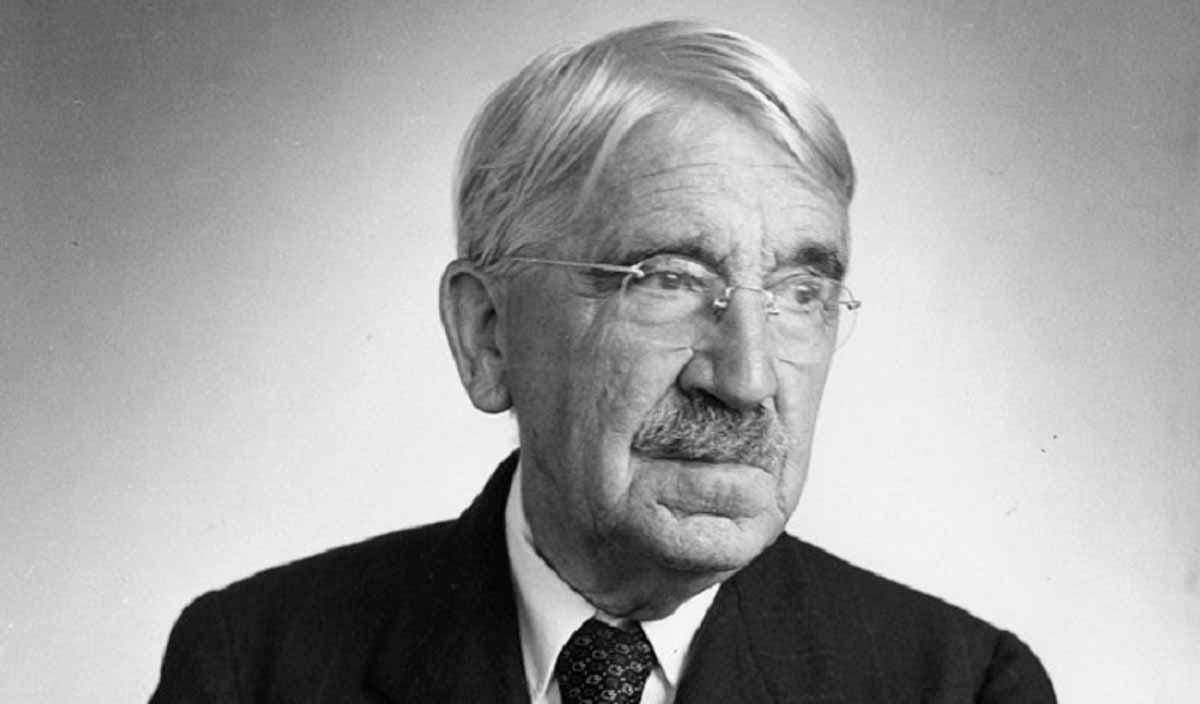
John Dewey’s thoughts on ethics offer a refreshingly dynamic approach to moral philosophy. Unlike traditional ethical frameworks that rely on fixed rules or abstract ideals, Dewey’s view of ethics is rooted in pragmatism and naturalism. In this post, I’d like to explore his unique perspective on ethical inquiry, moral growth, and the role of democracy in shaping our understanding of right and wrong.
Ethics as Inquiry: A Process, Not a Prescription
Dewey’s approach to ethics can be seen as a rejection of moral absolutism1. He believed that ethical principles should not be rigid and predetermined but should instead evolve through continuous inquiry and reflection. Much like the scientific method, Dewey saw ethics as an experimental process where individuals and societies test different actions, learn from their consequences, and adjust their behavior based on what they discover.
“The good man is the man who, no matter how morally unworthy he has been, is moving to become better.”
This is where Dewey departs from philosophers who view morality as the application of static rules. Instead, Dewey encouraged a model that adapts to the complexities of real-world situations. He famously critiqued the separation of means and ends, asserting that the two are interrelated. The ethical choices we make are not merely justified by the ends they aim to achieve but are shaped by the means we employ to reach them. This rejection of dualism mirrors ideas from other thinkers, such as Karl Popper, who similarly rejected simplistic, rigid frameworks in favor of more flexible, evidence-based approaches.
“Whenever a theory appears to you as the only possible one, take this as a sign that you have neither understood the theory nor the problem which it was intended to solve.”
To illustrate this point, consider the ethical dilemma of climate change action. A rigid deontological approach might prescribe a specific moral duty regardless of the situation, while a purely consequentialist2 view could justify any action based on its future outcomes. Dewey, however, would encourage us to think critically about the process, engage in moral experimentation, and adjust our strategies based on the evolving environmental and social landscape.
Dewey might have enjoyed watching people try to assemble IKEA furniture without instructions—it's the perfect metaphor for his view on ethics. Trial, error, and a few misplaced screws are all part of the process.
Ethics as Education
At the core of Dewey’s philosophy is the belief that ethics is a process of growth, not merely a set of rules to follow. He viewed moral development as an experiential process where individuals and communities learn from the consequences of their actions. Rather than clinging to dogmatic principles, Dewey argued that ethical growth occurs when people engage in reflective thinking and adjust their behavior based on new experiences.
This focus on growth aligns with Dewey’s broader philosophy of education, where he emphasized that schools should serve as laboratories for moral and intellectual development. In Dewey’s ideal educational environment, students would not be passive recipients of knowledge but active participants in their own moral formation. This emphasis on active learning also mirrors the cognitive theories of Lev Vygotsky and Albert Bandura, both of whom saw learning as an interactive and social process.
For Dewey, the process of learning is inextricably tied to ethical development. Just as students learn math by doing math, they learn ethics by making decisions, facing consequences, and reflecting on those experiences. In a world that is increasingly complex, Dewey’s view on moral education offers a flexible and adaptive framework for navigating ethical dilemmas.
The Role of Democracy
One of Dewey’s most important contributions to ethical theory is his understanding of the relationship between ethics and democracy. Dewey believed that morality is inherently social and that ethical decisions should consider their influence on the community. In this sense, ethics is not a private affair but a public one, shaped by the democratic processes of dialogue, negotiation, and cooperation. His belief in democracy as an ethical ideal is grounded in the idea that moral progress can only occur when individuals work together to solve shared problems.
This emphasis on democracy as a moral framework reflects Dewey’s broader commitment to pragmatism. Like Nassim Taleb’s notion of antifragility, which suggests that systems become stronger through stress and adaptation, Dewey believed that democratic societies grow morally through the challenges and conflicts they face. Just as antifragile systems benefit from disorder, democratic ethics flourish through engagement, debate, and collaboration.
If Dewey were alive today, he'd likely advocate for using Twitter as a platform for ethical discourse—assuming we could all stop shouting at each other long enough to actually engage in meaningful dialogue.
Pragmatic Humanism
At the heart of Dewey’s ethics is a profound commitment to human flourishing. Unlike ethical theories that prioritize abstract duties or rights, Dewey’s approach to morality is grounded in practical human needs. His philosophy of “pragmatic humanism” asserts that ethical principles are tools for improving human life, not rigid laws imposed from outside. This human-centered approach to ethics places individual well-being at the forefront, emphasizing that moral decisions should promote the growth and development of people within their communities.
In this way, Dewey’s ethics resonates with the ideas of William James, another pragmatist philosopher, who emphasized the importance of individual experience in shaping philosophical ideas. Both Dewey and James rejected the notion of eternal moral truths, instead arguing that ethics should be grounded in the lived experiences of individuals and communities. This focus on adaptability and growth makes Dewey’s ethics particularly relevant in an era where moral challenges are increasingly complex and unpredictable.
In summary, John Dewey’s ethical theory offers a compelling alternative to rigid, dogmatic approaches to morality. By viewing ethics as an ongoing process of inquiry, moral growth, and social collaboration, Dewey provides a framework that is both flexible and responsive to the complexities of modern life. His emphasis on democratic engagement, experiential learning, and human flourishing makes his ethical philosophy both practical and aspirational.
In a world where moral challenges are increasingly global and multifaceted, Dewey’s thoughts on ethics remind us that there are no easy answers. Instead, we must engage in continuous moral inquiry, learning from our experiences, and adapting to new realities. It’s a journey, not a destination—and one that invites us to grow stronger, together.
If you ever feel lost on your moral journey, just remember—Dewey wouldn’t want you to find the destination too soon anyway. After all, the real growth happens in the detours.
Further Reading Suggestions
Democracy and Education by John Dewey
The Varieties of Religious Experience by William James
Antifragile: Things That Gain from Disorder by Nassim Taleb
Moral absolutism holds that certain actions are inherently right or wrong, regardless of context or consequences, based on fixed, universal principles; also referred to as a deontological approach.
The consequentialist view determines the morality of actions based on their outcomes, judging actions as right or wrong depending on the results they produce.